The Evolution of Fiber Optic Connectors: From the First Generation to Today’s High-Density MMC and MDC Connectors
Fiber-optic communication has transformed the way the world moves data. But behind every high-performance optical system is a critical component that often goes unnoticed: the fiber-optic connector.
Over the last four decades, these connectors have continuously evolved—becoming smaller, smarter, and more efficient to meet the demands of cloud computing, hyperscale data centers, AI clusters, and ultrafast networks.
Below is a look at how fiber-optic connectors progressed from the earliest designs to today’s latest high-density solutions: MDC and MMC.
1. The Beginning: Large, Metal-Body Connectors (1980s)
FC (Ferrule Connector) – One of the Originals
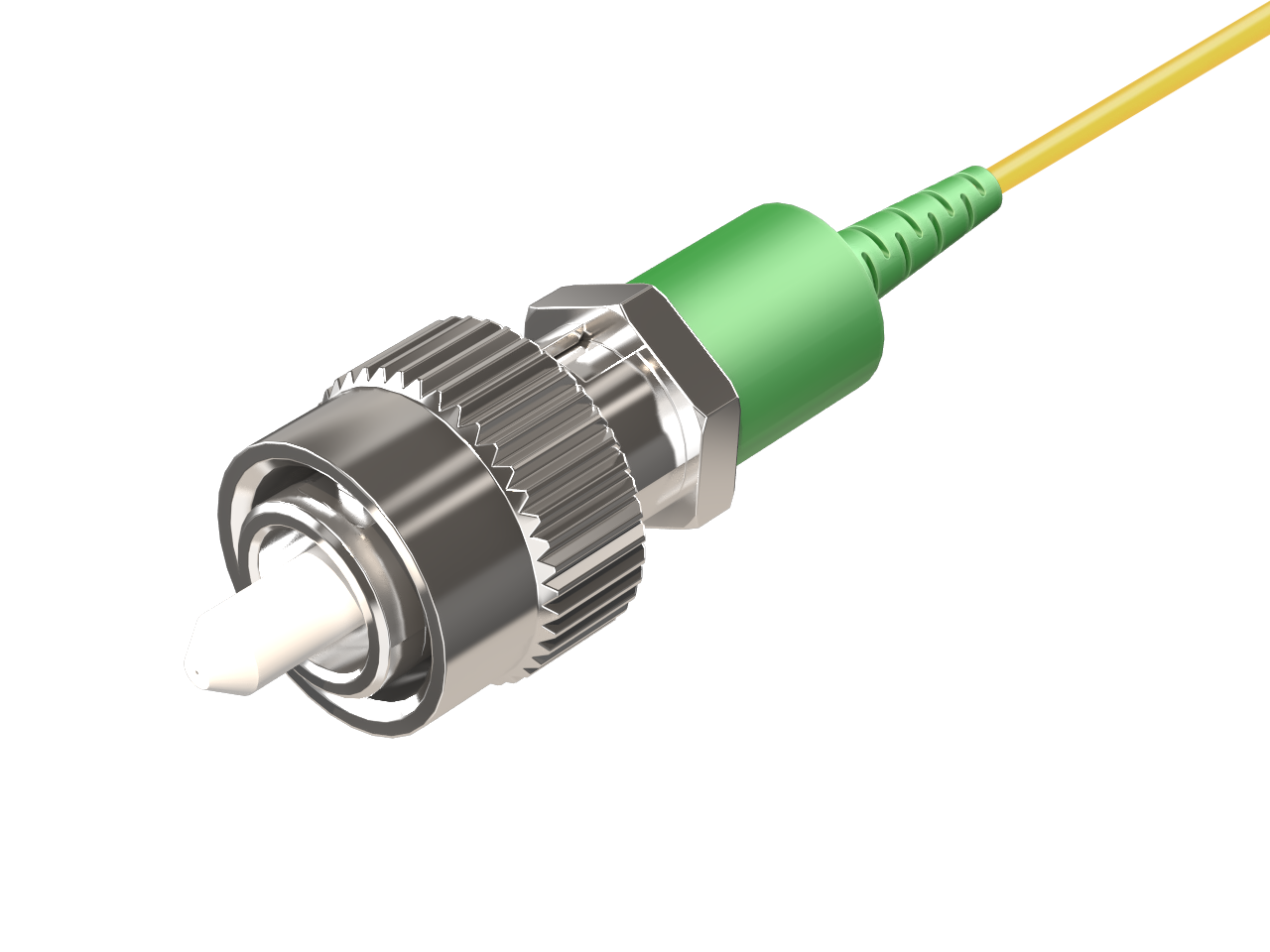
The FC connector is often regarded as one of the first widely adopted fiber-optic connectors. With a threaded metal housing, the FC provided stable, low-loss connections ideal for lab environments and telecom applications.
- Pros: Rugged, stable, good repeatability
- Cons: Large, heavy, time-consuming to handle
As fiber networks expanded, the industry needed something easier to use.
2. The Era of Convenience: Bayonet & Plastic Housings (Late 1980s–1990s)
ST (Straight Tip)
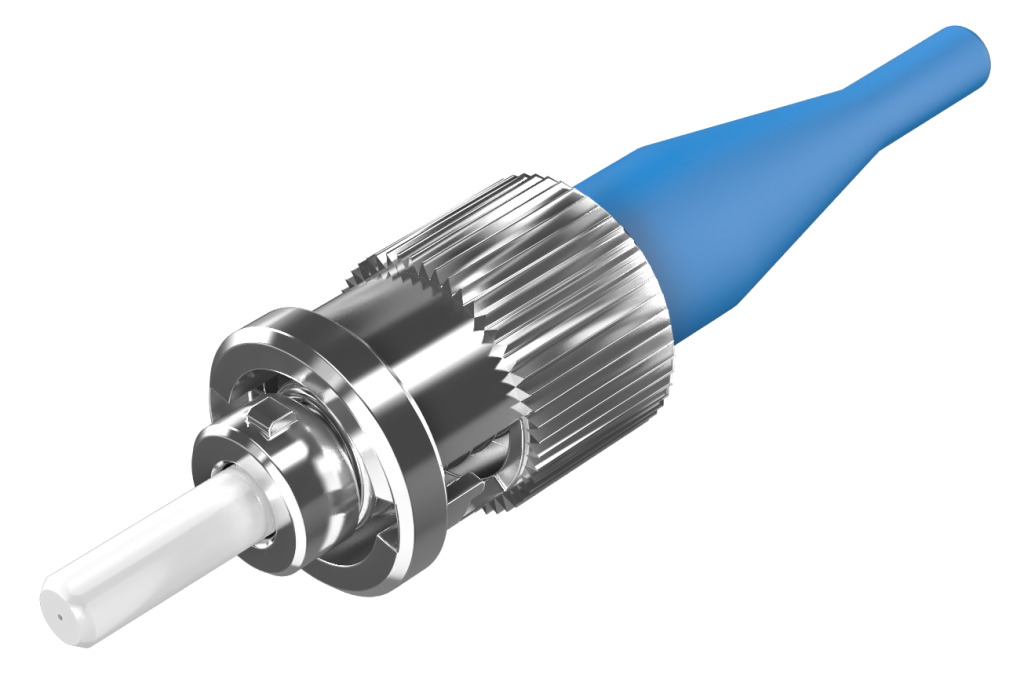
The ST used a bayonet-style coupling, making it faster to connect and disconnect compared to FC. It became the standard for enterprise networks and early multimode systems.
SC (Subscriber Connector)
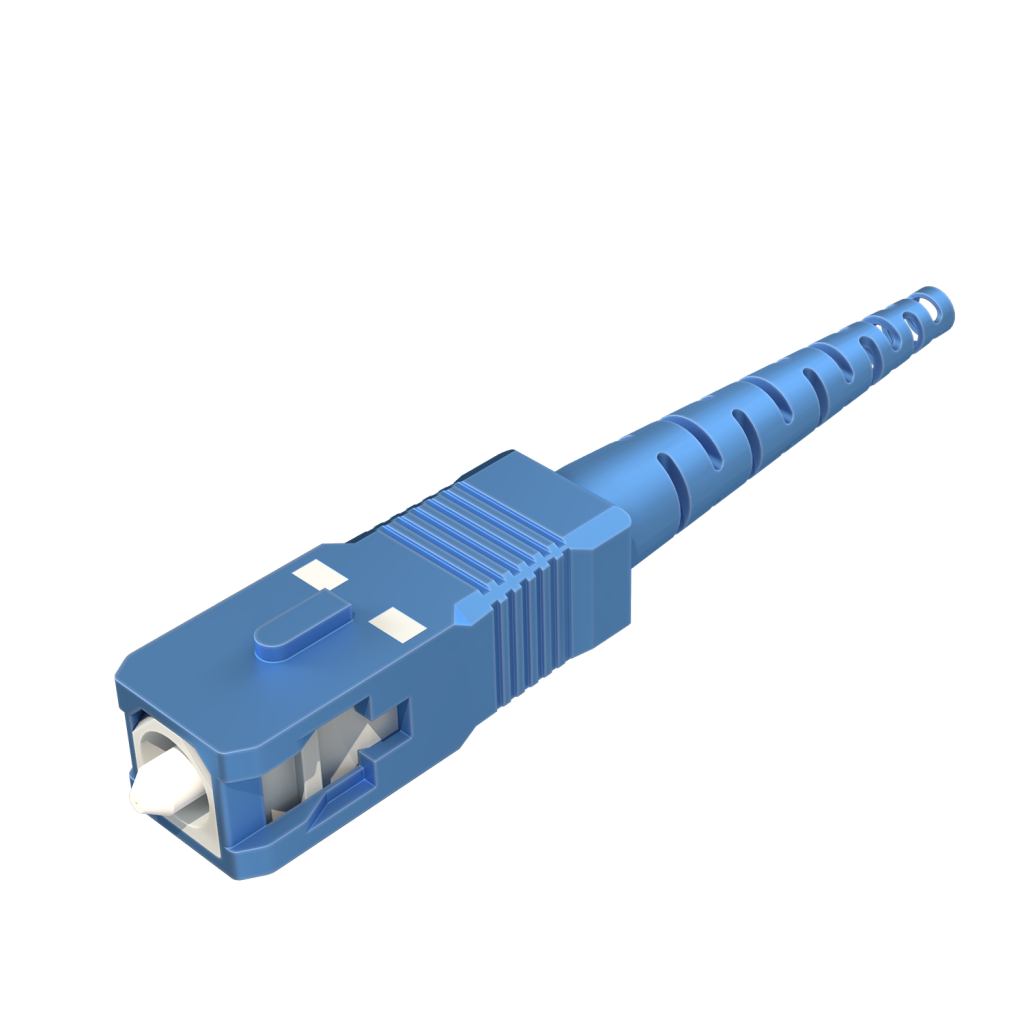
Perhaps the most iconic connector of the 1990s, the SC introduced a push-pull latch and a square body for easy installation and high durability.
- Adopted heavily in telecom
- Became a global standard in FTTH and backbone systems
But as data centers grew, the SC’s size became a limitation.
3. The Shift to Miniaturization: The LC Connector (Early 2000s)
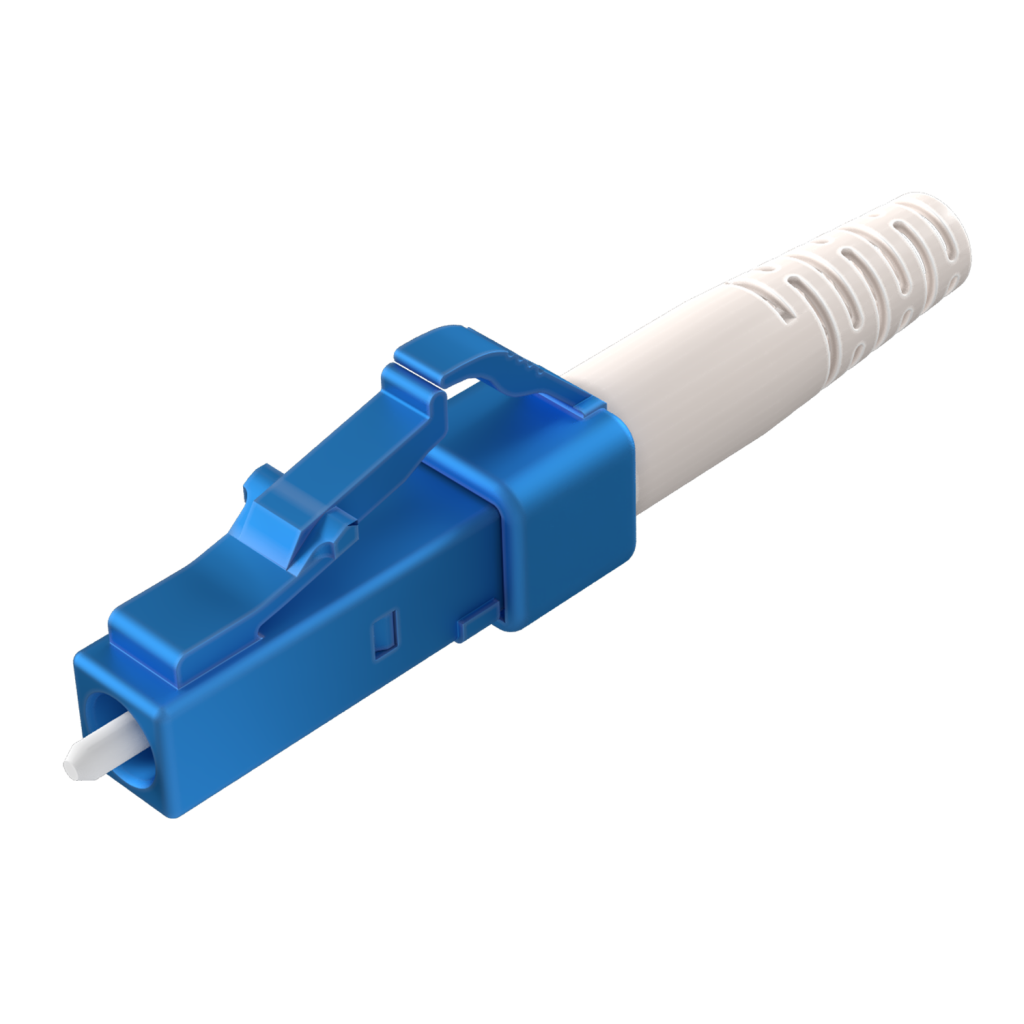
The introduction of the LC connector marked a turning point.
With a 1.25 mm ferrule, half the size of SC, the LC enabled double the port density—a game changer for data centers.
The LC quickly became the dominant connector for SFP/SFP+ transceivers and remains widely used today.
Yet, as cloud, IoT, and streaming demands exploded, even higher density was required.
4. Parallel Optics & Multi-Fiber Era: MPO / MTP (2000s)
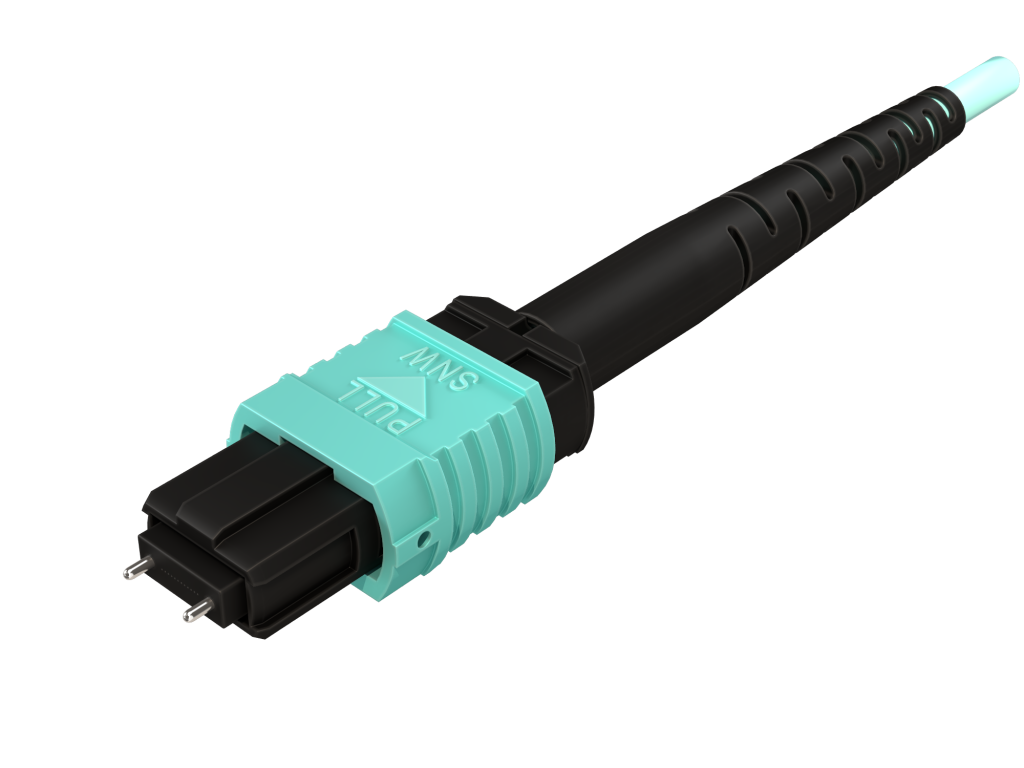
To support 40G, 100G, 400G+, and now 800G, the industry adopted MPO/MTP multi-fiber connectors.
With 12, 24, or 16 fibers in a single footprint, MPO enabled parallel optics and large-scale structured cabling.
However, for duplex applications such as 400G SR4.2 or future 800G DR8, MPO isn’t always ideal as a device-level interface.
Hyperscale operators began demanding something smaller, sleeker, and more flexible.
5. The Latest Generation: Ultra-High-Density Duplex Connectors — MDC and MMC
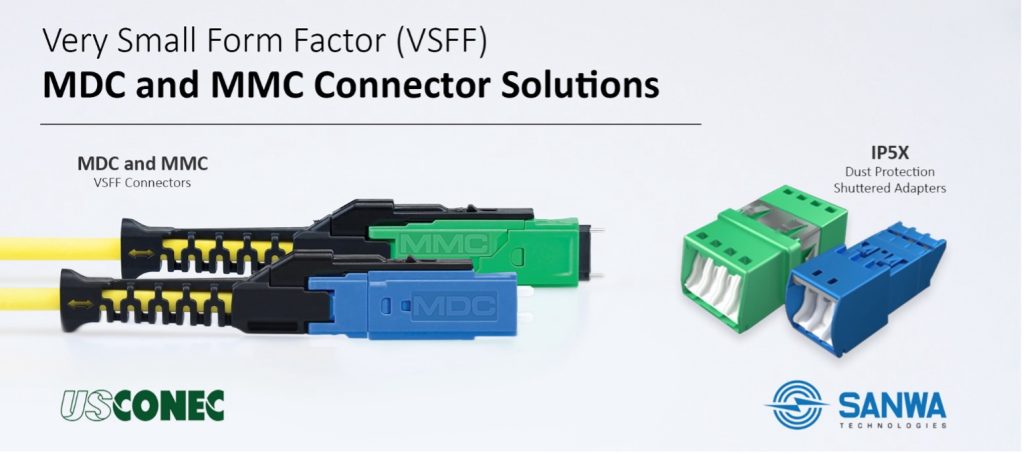
MDC (Miniature Duplex Connector)
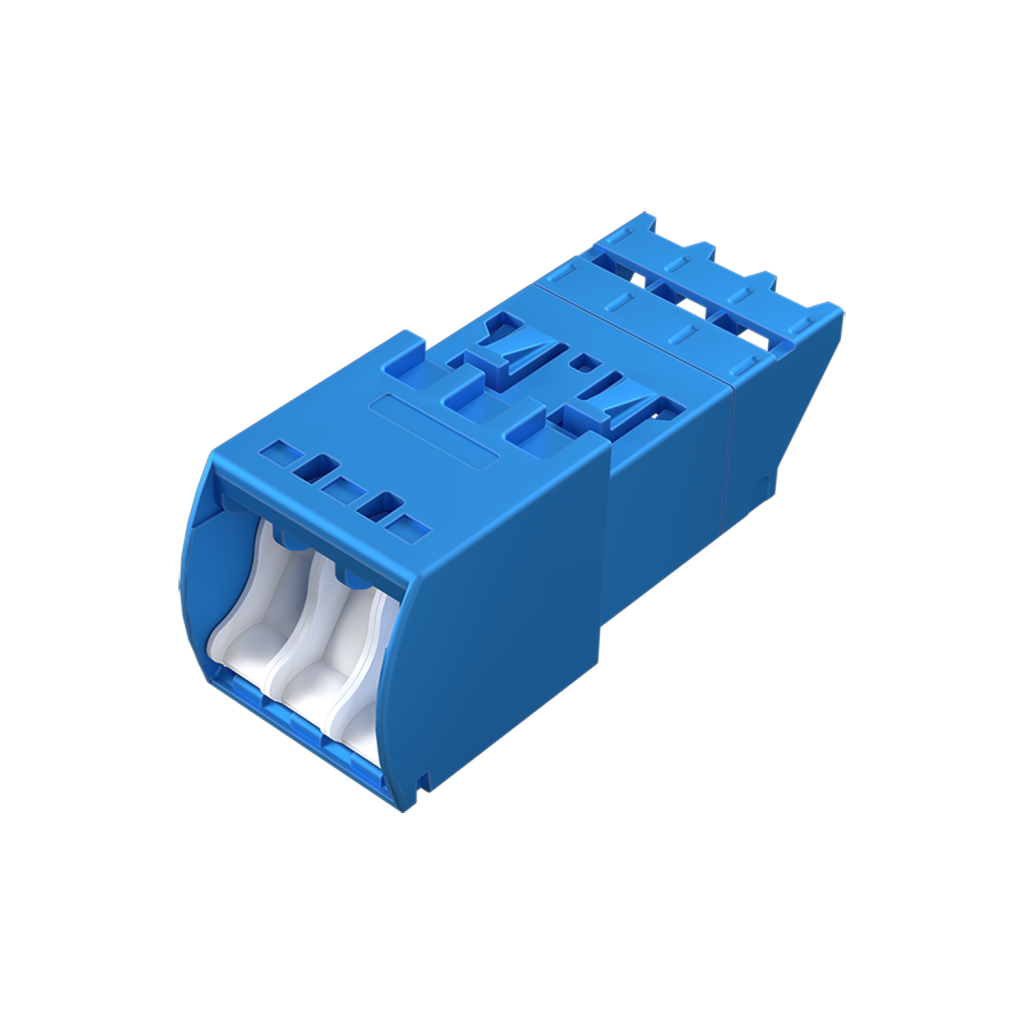
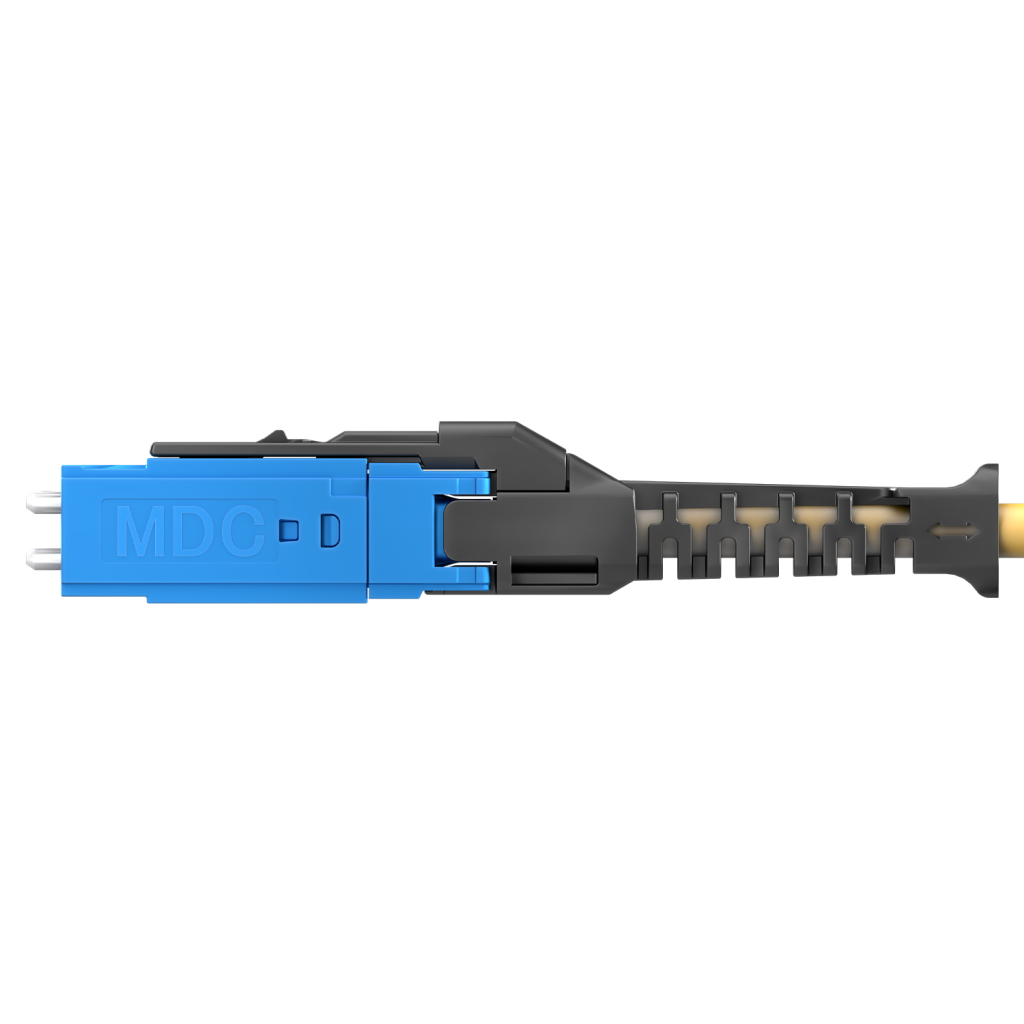
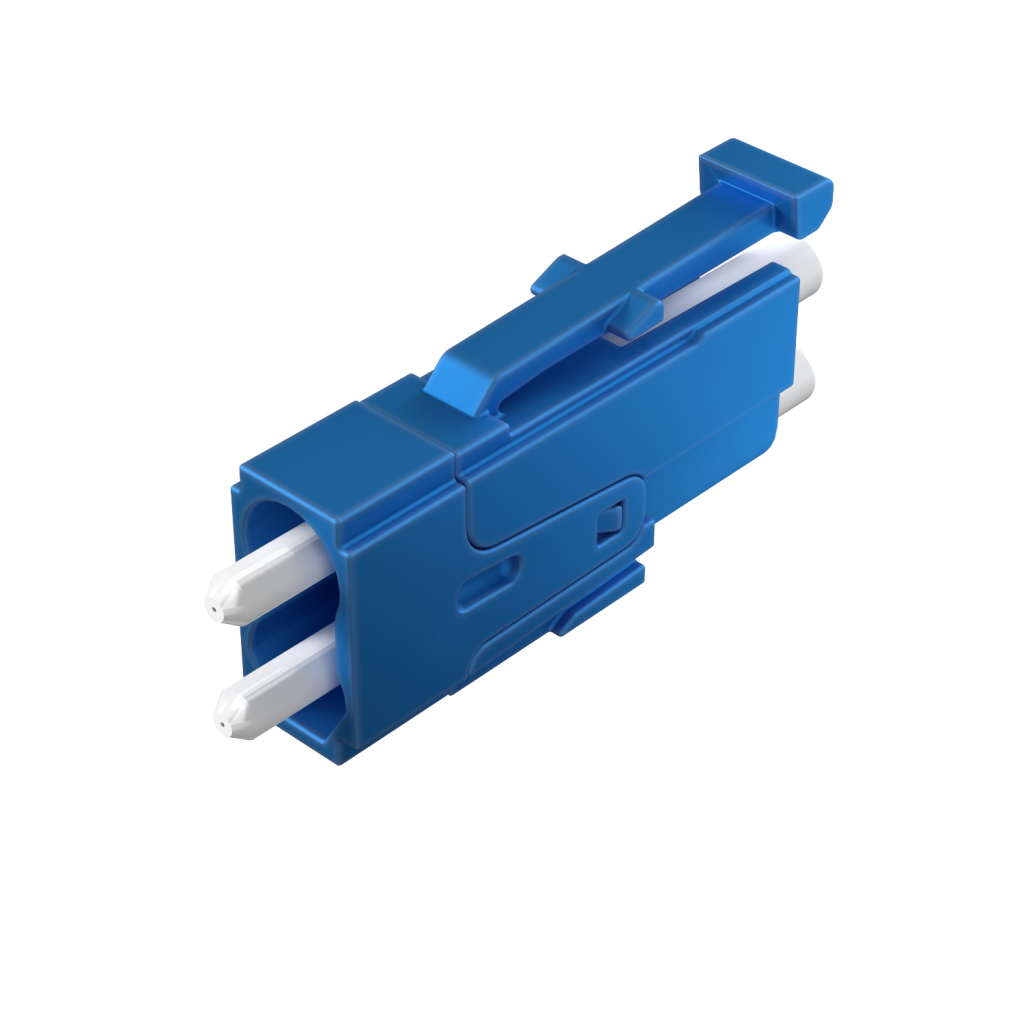
Developed by US Conec, the MDC Connector and MDC Adapter are designed for the next wave of ultra-high-density networking.
Key Features
- Footprint ½ the size of LC → 3X density
- Push-pull boot for easy extraction without tools
- Ideal for QSFP-DD and OSFP transceivers
- Supports 400G, 800G, and future optical modules
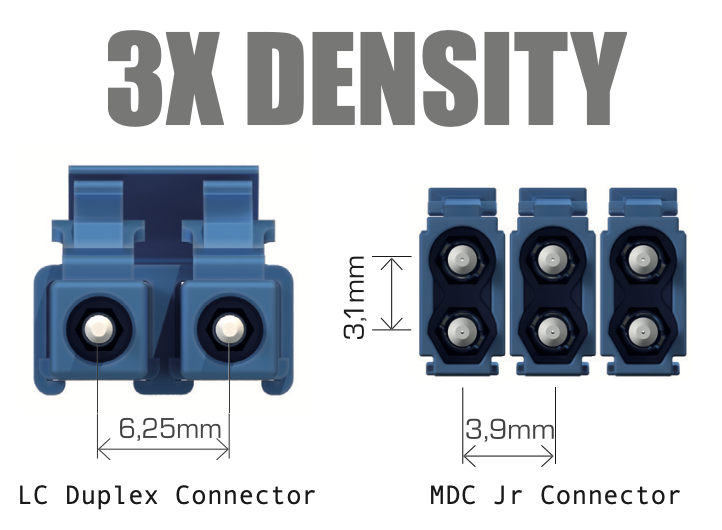
Many hyperscale data centers have already begun adopting MDC for next-generation switch and server designs.
MMC (Miniature Multi-Row Connector)
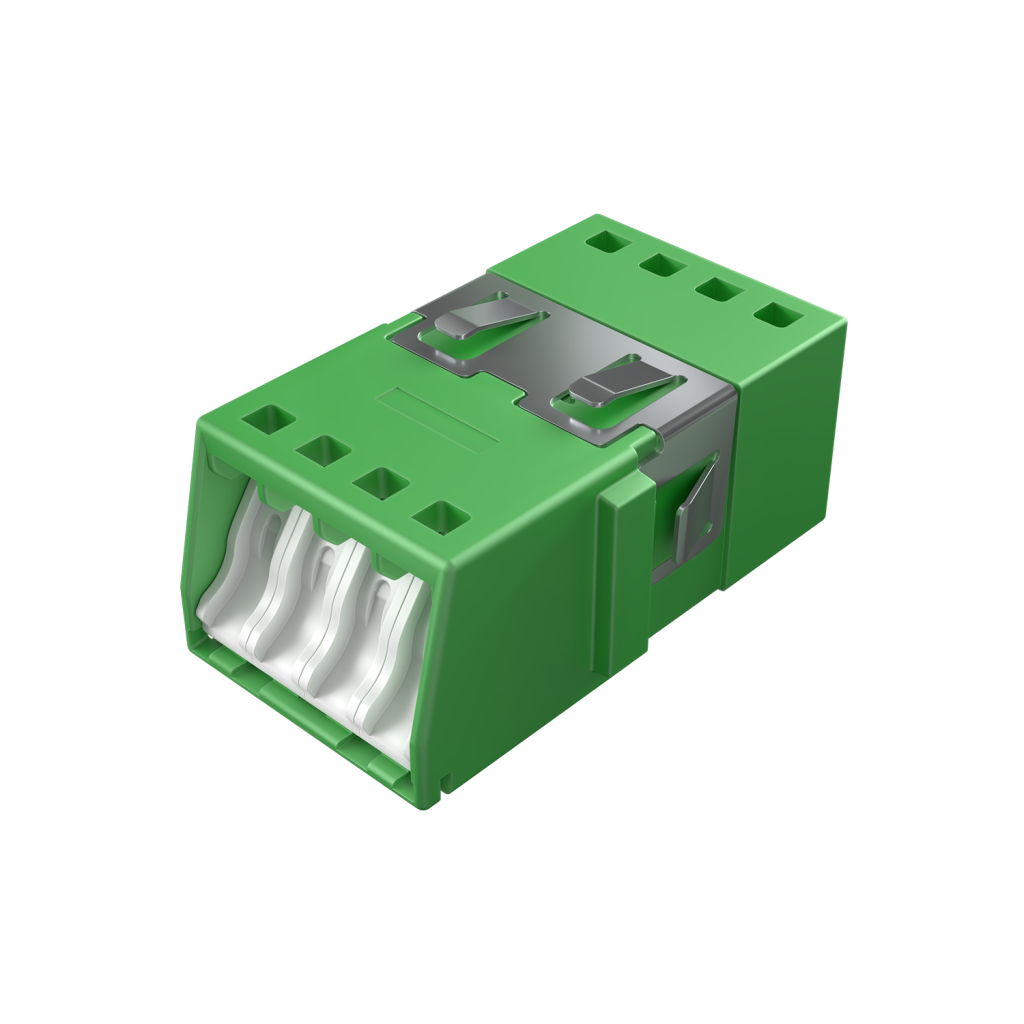
The MMC Connector and MMC Adapter push density even further and are built for the growing demand of multi-lane, multi-fiber transceivers.
Key Features
- Extremely compact multi-fiber connector
- Supports next-generation parallel-optic modules
- High-density patching in AI clusters and large-scale data centers
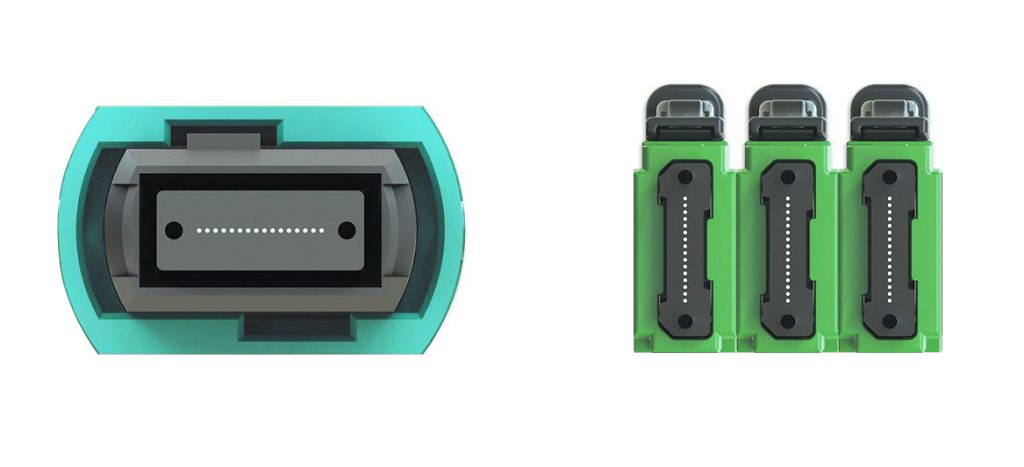
As AI/ML infrastructure drives explosive growth in fiber connections, MMC offers a scalable path forward for engineers and operators.

Conclusion: From FC to MDC/MMC — A Journey of Shrinking Size and Expanding Capability
The history of fiber-optic connectors is ultimately a history of increasing density, decreasing footprint, and improving usability.
- FC, ST — built for reliability
- SC — built for ease
- LC — built for density
- MPO — built for parallel optics
- MDC & MMC — built for hyperscale and the future
From rugged FC connectors to the compact LC, to high-count MPO, and now the newest MDC and MMC, the evolution of optical connectors has always been guided by one goal: higher density, higher performance, and effortless usability.
For over four decades, companies like SANWA—supplying FC connectors to NTT since 1983—have been part of this evolution, supporting both legacy telecom infrastructure and the next generation of high-performance optical connectivity.