Optical Transceivers for the Future of Industrial, Transportation, and Automotive Networks
Introduction
Optical communication is often associated with large-scale telecommunications and high-speed data centers. However, a major shift is occurring in industrial automation, public infrastructure systems, transportation networks, and next-generation vehicles.
In these sectors, communication performance is not only defined by speed — it is defined by:
- Reliability
- Durability
- Long-term continuous operation
Systems such as factory automation lines, power distribution monitoring, railway control, and advanced vehicle sensor networks must operate without interruption, even under vibration, heat, electrical noise, and harsh environmental conditions.
This is where optical transceivers play a critical role.
What Optical Transceivers Do
Optical transceivers convert electrical signals ↔ optical signals, enabling stable data transmission through fiber optic cables.
In industrial and transportation environments, this provides key advantages:
| Challenge | Copper Cable Limitations | Fiber Optic Advantage |
|---|---|---|
| Electromagnetic Interference | Signal distortion in noisy environments | EMI immune and stable data |
| Long-distance Transmission | Signal loss over runs | Low-loss, long-distance links |
| Harsh Conditions | Degradation from heat, oil, or vibration | Durable and long-life stability |
Optical fiber remains stable where reliability is safety.
Industrial and Infrastructure Applications
Factory Automation (FA)
Production lines depend on synchronized communication between robots, conveyors, and control modules. Optical transceivers ensure:
- Stable transmission across long factory layouts
- Noise-resistant communication near motors and welding systems
- Reliable operation in high-temperature and dusty spaces

Public Infrastructure and Utilities
- Traffic signal control networks
- Power grid monitoring
- Security and environmental sensing systems
These systems may run 24/7 for decades. Longevity matters more than speed alone.

Railway, Highway, and Airport Communication Systems
Transportation networks require:
- Vibration and shock resistance
- Temperature stability
- Long-term maintainability
Here, failure is not acceptable, because communication is directly tied to safety.

The Future of Mobility: Optical Communication Inside Vehicles
Modern vehicles, especially those moving toward autonomous driving, contain a growing network of cameras, radar, LiDAR, ultrasonic sensors, and powerful onboard computers. These systems generate massive real-time data, requiring high-bandwidth, low-latency communication inside the vehicle.

Why Copper Wiring Is No Longer Enough
- Prone to electromagnetic interference near high-power electronics
- Heavier, reducing fuel efficiency and EV range
- Limited bandwidth for high-speed perception systems
Why Optical Fiber Is Ideal for Automotive Networks
| Optical Advantage | Benefit in Vehicles |
|---|---|
| High Bandwidth | Real-time sensor fusion and ADAS processing |
| EMI Immunity | Stable signals near motors and inverters |
| Lightweight | Supports energy efficiency and EV performance |
| Scalable Data Capacity | Required for autonomous driving algorithms |
As vehicles progress toward Level 4 and Level 5 autonomy, optical networks are essential to safely support instant decision-making.
SANWA Optical Transceivers: Designed for Harsh and Demanding Environments
Unlike many transceiver manufacturers focused primarily on telecom and data centers, Sanwa Technologies specializes in compact, reliable optical transceivers optimized for:
- Factory automation / FA systems
- Public infrastructure networks
- Railway and transportation systems
- Vehicle internal communication architectures
Key Characteristics of SANWA Transceivers
| Feature | Benefit in Industrial / Vehicle Systems |
|---|---|
| Small, Embedded Form Factor | Fits in compact control and vehicle modules |
| High Vibration and Shock Resistance | Stable operation in machinery and mobile platforms |
| Oil-Proof and Contamination-Resistant Construction | Ideal for factory floors and engine compartments |
| High-Temperature Operation Capability | Suitable for EV power electronics and outdoor cabinets |
| Made in Japan Precision Quality | Long service life and reliability-critical performance |
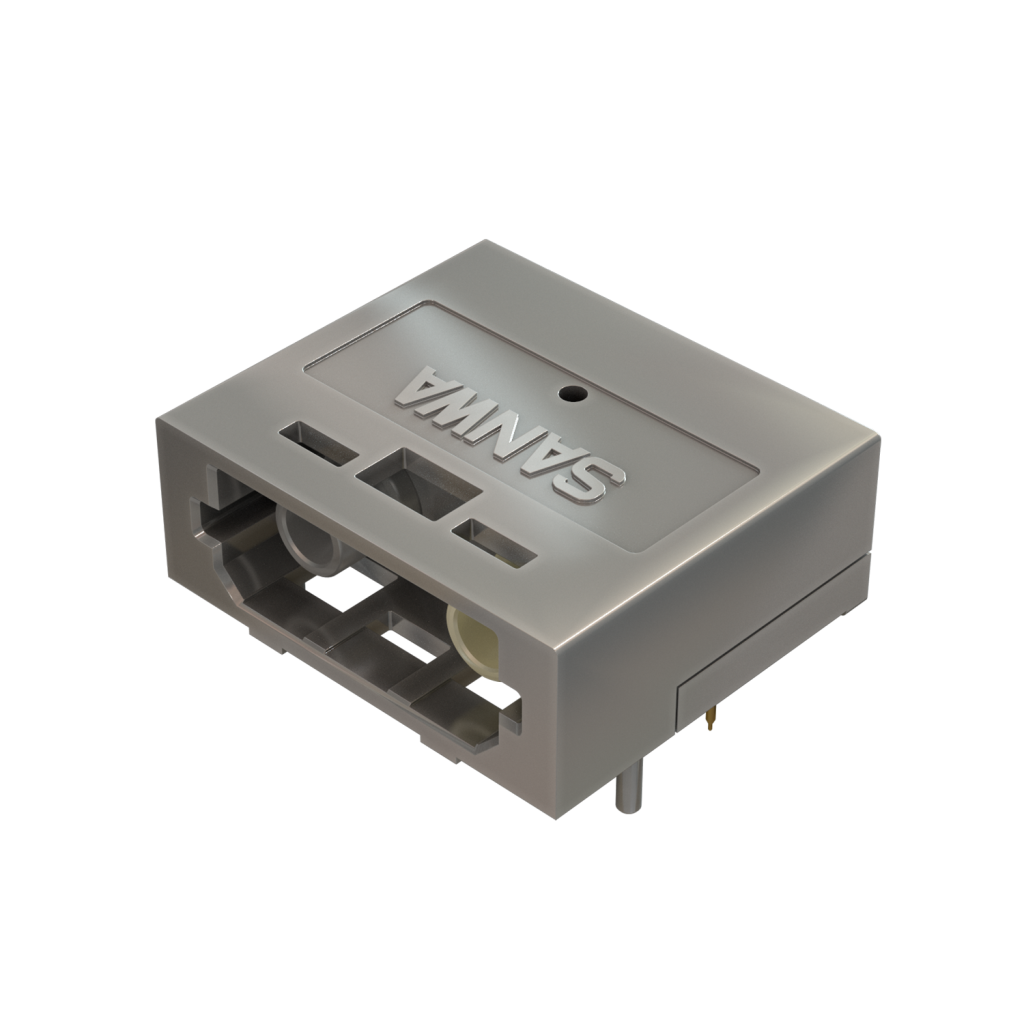
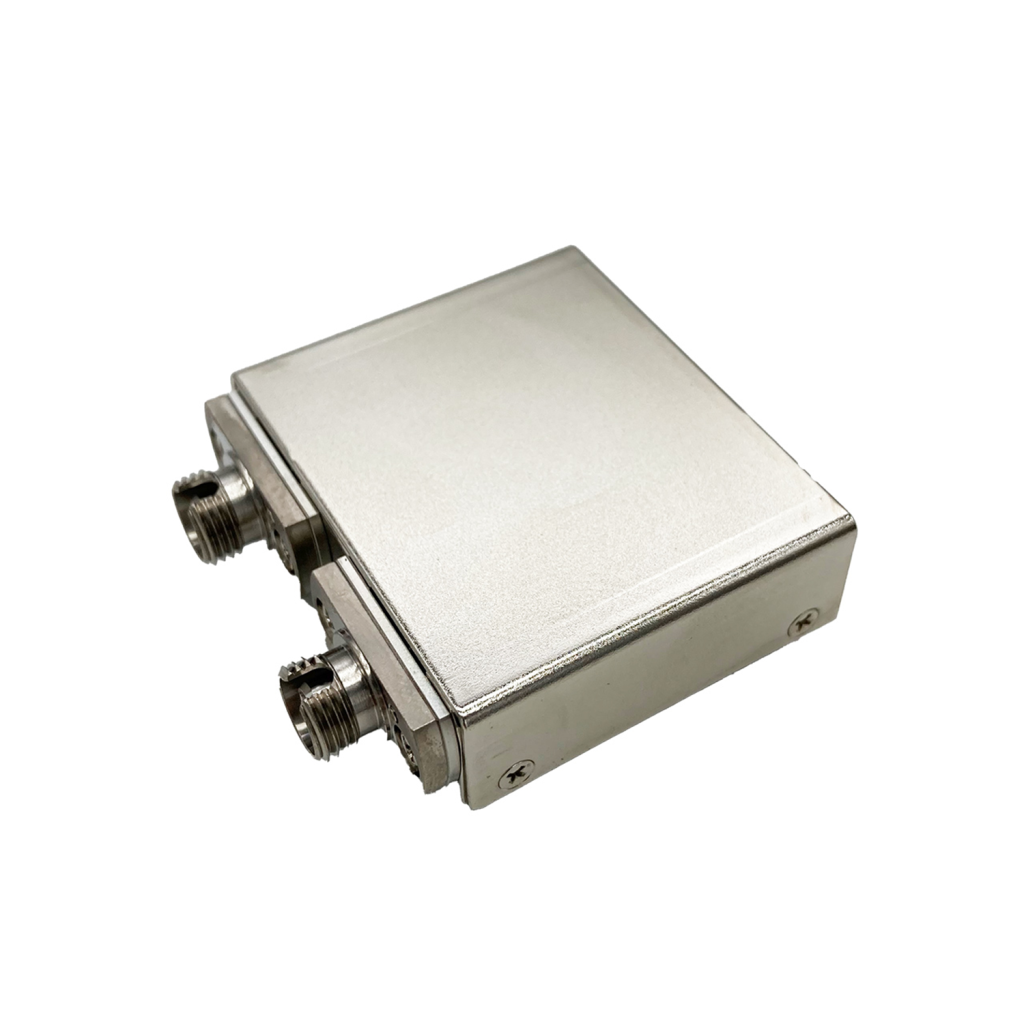
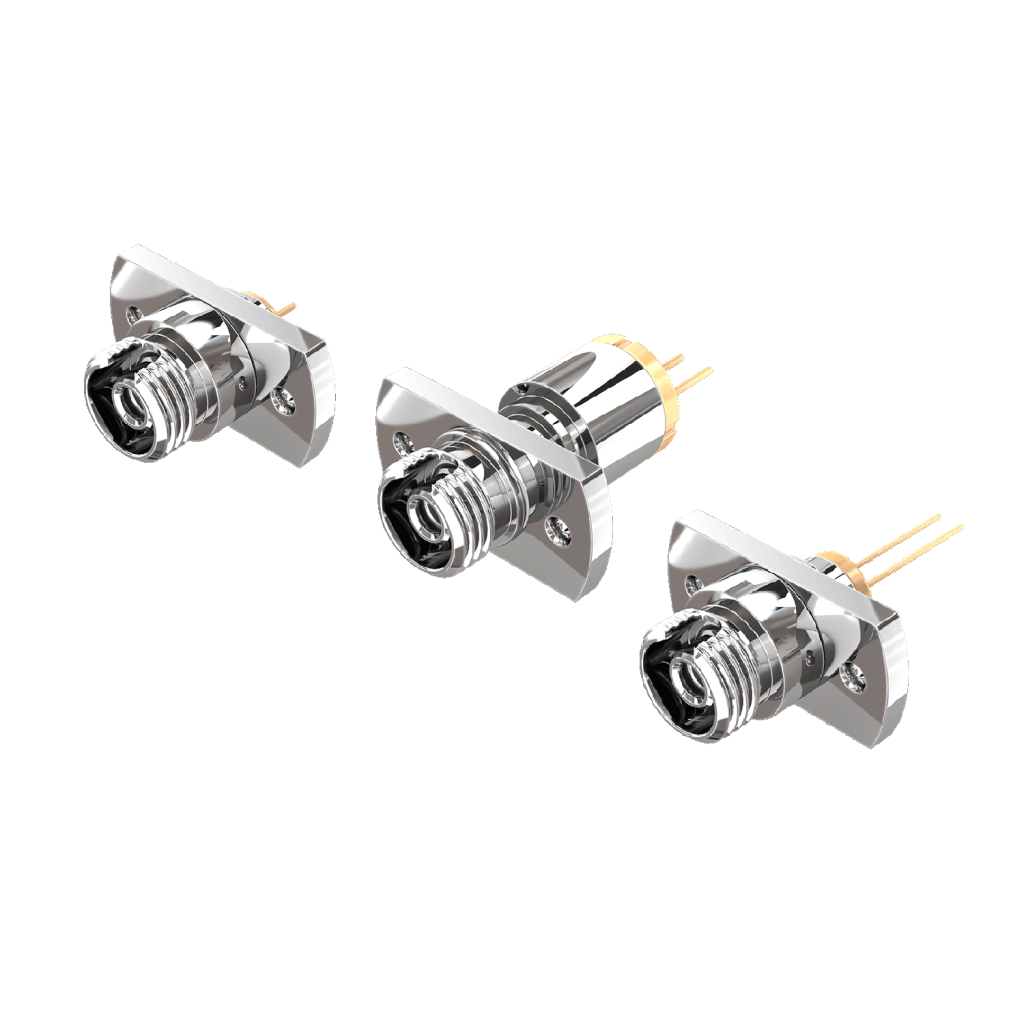
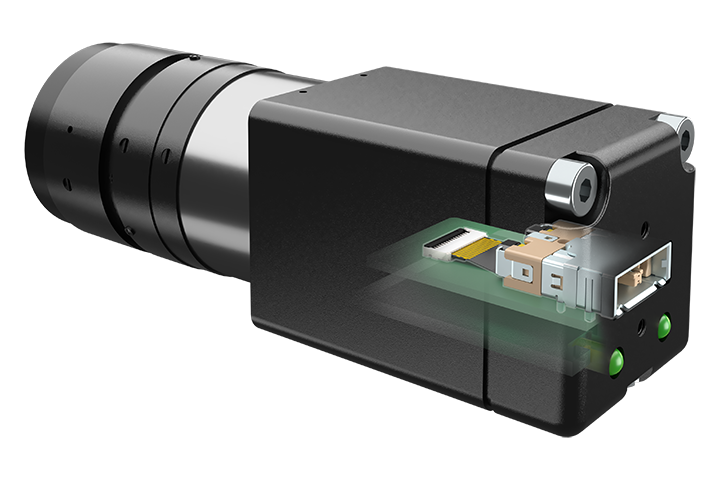
Sanwa’s expertise in miniaturization allows optical transceivers to be designed small enough to fit directly inside onboard cameras and sensing units, enabling fast, interference-free communication critical to ADAS and future autonomous driving systems.
Conclusion
As automation expands, infrastructure modernizes, and vehicles evolve toward autonomous control, reliable communication becomes a foundation of safety and performance.
The next generation of connectivity will not be defined in data centers alone — it will be defined in:
- Factories
- Rail systems
- Power networks
- Roadways
- Vehicles
In these environments, reliability is performance.
And optical communication — supported by durable, compact, high-stability transceivers — is enabling a safer, smarter, and more connected world.
Sanwa Technologies continues to support this future with Made-in-Japan optical transceivers engineered for long-lasting operation in harsh and mission-critical environments.
Additionally, Sanwa has its own engineering team in Japan and can customize solutions based on customer requirements, ensuring system compatibility and optimized performance for unique applications.